
Facial treatments · Finke & Frantzen, Berlin

FaceTitefacial contouring in Berlin-Prenzlauer Berg

A double chin that will not go, a jawline losing its edge, skin that has started to give — and no wish for a facelift. FaceTite removes the fat and tightens the skin from underneath, through openings a few millimetres wide.

Please note: A medical consultation is a chargeable service under the German physicians’ fee schedule (GOÄ). Online bookings are binding; the practice team will explain the expected consultation fee when arranging your appointment.

Medically reviewed by Dr. med. Juliane C. Finke and Dr. med. Stephan Frantzen · Board-certified plastic surgeons · Last reviewed:

FaceTite for men in Berlin – face of a man with lines around the eyes
1–3 hours depending on how many areas are treated in one session
Local anaesthetic or sedation always a day case – general anaesthetic on request
3–7 days downtime; most patients are back to normal within a few days
Check-ups on days 1, 7, 21 3 days of compression, 14 days without sport
The method

How FaceTite works

FaceTite is a minimally invasive facial contouring procedure. A fine probe is passed under the skin; radiofrequency energy liquefies fat so it can be removed, and the same energy contracts the connective tissue from beneath. It is the facial version of radiofrequency-assisted lipolysis (RFAL).

The probe works between two poles — one under the skin, one gliding over it. The energy passes through the tissue in between, which is heated in a controlled way with the temperature monitored continuously. If it rises too far, the device stops. That safeguard is what makes deliberately heating the underside of facial skin a reasonable thing to do.

Two effects follow. Fat under the chin and along the jawline is emulsified and suctioned off, and the collagen fibres shorten — immediately a little, then progressively over three to six months as the tissue remodels.

Areas

Where it is worth doing

FaceTite is at its best in the lower third of the face, where fat and mild skin laxity occur together:

  • Under the chin – the submental fat pad, the classic double chin. The most common request by a distance.
  • Jawline – restores the line between face and neck where it has softened.
  • Cheeks and lower face – where fullness has descended and blurred the contour.
  • Upper neck – often treated in the same session as the chin, since the two blend.

It is not used around the eyes or on the forehead. Those areas have little fat to remove and skin too thin for this kind of heating.

The procedure

What happens on the day

The areas are marked while you sit upright. The region is then infiltrated with tumescent solution — dilute local anaesthetic, the same principle used in liposuction — which numbs it thoroughly and separates the fat.

Through openings of a few millimetres, usually one under the chin and one behind each earlobe, the probe is moved through the tissue in a fan pattern while the temperature is monitored. The liquefied fat is suctioned in the same pass.

Depending on how many areas are treated, this takes one to three hours. You go home the same day. A compression garment for the face is worn for three days, then at night only for a further 14 days; no sport for 14 days. Check-ups follow on days 1, 7 and 21.

Step by step

How your FaceTite treatment proceeds

From the consultation through the procedure to aftercare – we accompany you beyond the day of treatment.

01

Consultation

A detailed consultation and an individual treatment concept are central. We discuss your goals, your medical history and the areas of the face to be treated – and clarify any open questions.

02

Realistic expectations

An important part of informed consent is conveying realistic expectations: not only the possible benefits, but expressly also the limits of the procedure.

03

Preparation

We ask you to avoid certain medications and to plan an appropriate period of rest after the treatment. Consider in advance factors such as your state of health, lifestyle and your own expectations.

04

The treatment

The treatment is performed under local anaesthetic, under sedation or – on request or for more extensive treatments – under general anaesthetic; some pain is possible despite the anaesthetic. The RFAL probe is inserted through small incisions and the area of the face to be contoured is treated precisely.

05

Fat reduction and collagen

The energy of the radiofrequency current brings about precise fat reduction and at the same time stimulates collagen production in the face.

06

Aftercare and recovery

You wear a compression garment for the face – continuously for three days, then for 14 days at night only; you pause sport for the same period. Check-ups take place on days 1, 7 and 21. You receive specific instructions on caring for the treated areas and are informed about possible side effects. The final results appear in the weeks after the treatment, as the swelling subsides and the skin tightens.

Putting it in context

FaceTite compared with other methods

Which procedure fits depends on how far the contour has slipped – and whether fat, skin or both are involved.

Procedure When … Effect on the skin Effort
Thread lift … the contour has slightly sagged and you do not want incisions. tightening via threads plus new collagen formation 45–60 minutes, day surgery
FaceTite (RFAL) … localised fat deposits in the face and mild to moderate excess skin come together. fat reduction plus tightening by stimulating collagen production 1–3 hours, day surgery, local anaesthetic or sedation
Conventional facial liposuction … only fat is the problem and the skin is still firm. no tightening – with lax skin the excess may become more noticeable day surgery
Facelift … face and neck have sagged markedly. surgical tightening of the skin and SMAS layer surgical, the most comprehensive solution
The result

When will I see something?

The fat reduction shows as soon as the swelling settles, within two to three weeks. The tightening is the slower half: collagen remodelling runs over three to six months, and the contour keeps improving during that time.

How much tightening is realistic depends on where you start. Mild to moderate laxity responds well. Skin that already folds will improve but will not become tight — and if that is what you are expecting, we will tell you honestly that a facelift is the answer instead.

The treated area feels firm and slightly uneven for several weeks. That is normal, it resolves, and it is worth knowing in advance so it does not alarm you.

Where it sits

Between a thread lift and a facelift

A thread lift repositions tissue without removing anything: no incision, two to three days of downtime, six to eighteen months. A facelift removes skin and repositions the SMAS layer: an operation, a hospital night, and eight to twelve years.

FaceTite sits between them. It removes fat, which threads cannot, and tightens skin, which liposuction cannot — but it does not remove skin, which is the one thing a facelift does that nothing else replaces.

In practice that makes it the right answer for a fairly specific group: people in their forties and fifties with a defined fat problem and skin that is starting to give. For that group it does more than threads and asks far less than surgery.

Safety

Risks and limitations

FaceTite is an invasive radiofrequency-assisted procedure. Possible complications include pain, swelling, bruising, bleeding, infection, seroma, altered sensation, temporary or persistent nerve injury, asymmetry, contour irregularity, scarring, burns or other heat injury and anaesthetic reactions. Further treatment or revision may be necessary.

Tightening is variable and does not replace a facelift where laxity is marked. Continued ageing affects the result, and no fixed degree or duration of tightening can be guaranteed.

Alongside FaceTite

Morpheus8: skin tightening without suction

Alongside FaceTite we use Morpheus8 – fractional radiofrequency microneedling of the current device generation. Fine needles deliver radiofrequency energy into the deeper layers of the skin and stimulate collagen there; nothing is suctioned off. It treats the face, neck, décolletage and body – under local anaesthetic or numbing cream, always as an outpatient.

Aftercare: two to three days out of the sun and without sport; as a rule no downtime and no compression (minimal downtime with the Morpheus8 resurfacing tip). Whether FaceTite, Morpheus8 or both suit your finding is decided in consultation.

At a glance

FaceTite: the key facts

Key facts about FaceTite at Finke & Frantzen in Berlin
How long1–3 hours, depending on how many areas are treated
AnaestheticLocal anaesthetic, sedation or general anaesthetic – always as a day case
StayDay case – home the same day
Downtime3–7 days for most patients
AftercareCompression garment for the face for 3 days, then 14 nights; no sport for 14 days; check-ups on days 1, 7 and 21
DeviceFaceTite, current device generation; Morpheus8 as a complement
Final resultFat reduction within weeks, tightening over three to six months
WhereDay surgery at our practice, Heinrich-Roller-Straße 15, Berlin-Prenzlauer Berg
Paid byPrivate fee or private insurance benefit

What does FaceTite cost? There is no flat rate. Time in theatre, technique, anaesthetic and the extent of the procedure differ from person to person. You get a binding quote at the end of your consultation — in writing, with nothing hidden. And the consultation itself? Medical advice is a treatment in its own right and is invoiced under the German scale of medical fees (GOÄ) — including when you decide against a procedure afterwards. We tell you what to expect when the appointment is made.

Will insurance pay? As a rule, no: purely aesthetic procedures are paid privately. German statutory insurers only contribute where a medical indication is recognised; private insurers and international policies decide case by case. We will tell you honestly whether you have any prospect of cover.

Preparing

How do I prepare?

  • Stop blood thinners such as aspirin or ibuprofen only after checking with us.
  • Give up nicotine for two weeks before and after the procedure – it is the single most useful thing you can do for your own wound healing.
  • Come without make-up and without jewellery; for procedures around the eyes, without contact lenses too.
  • Plan to get home without driving yourself. Even under local anaesthetic, having someone with you is easier.
  • Keep the first few days free of anything where you have to look your best.

These points apply generally. What applies in your case – with existing conditions or regular medication – we go through at your pre-operative consultation. That conversation is what counts.

Alternatives

What are the alternatives?

FaceTite is one of four ways to address a softening jawline, and not always the right size. We look first at whether something smaller would do the job – and we will say so if none of these procedures fits your finding.

  • Thread lift – smaller and quicker, but it does not remove fat and lasts less long.
  • Facelift with neck lift – if the issue is the neck muscle rather than fat under the chin.
  • Facelift – where there is a genuine excess of skin, no amount of tightening from beneath will replace removing it.
  • Fat-dissolving injections – for a small, well-defined double chin, without any incision at all.
In safe hands

Your specialists for FaceTite in Berlin

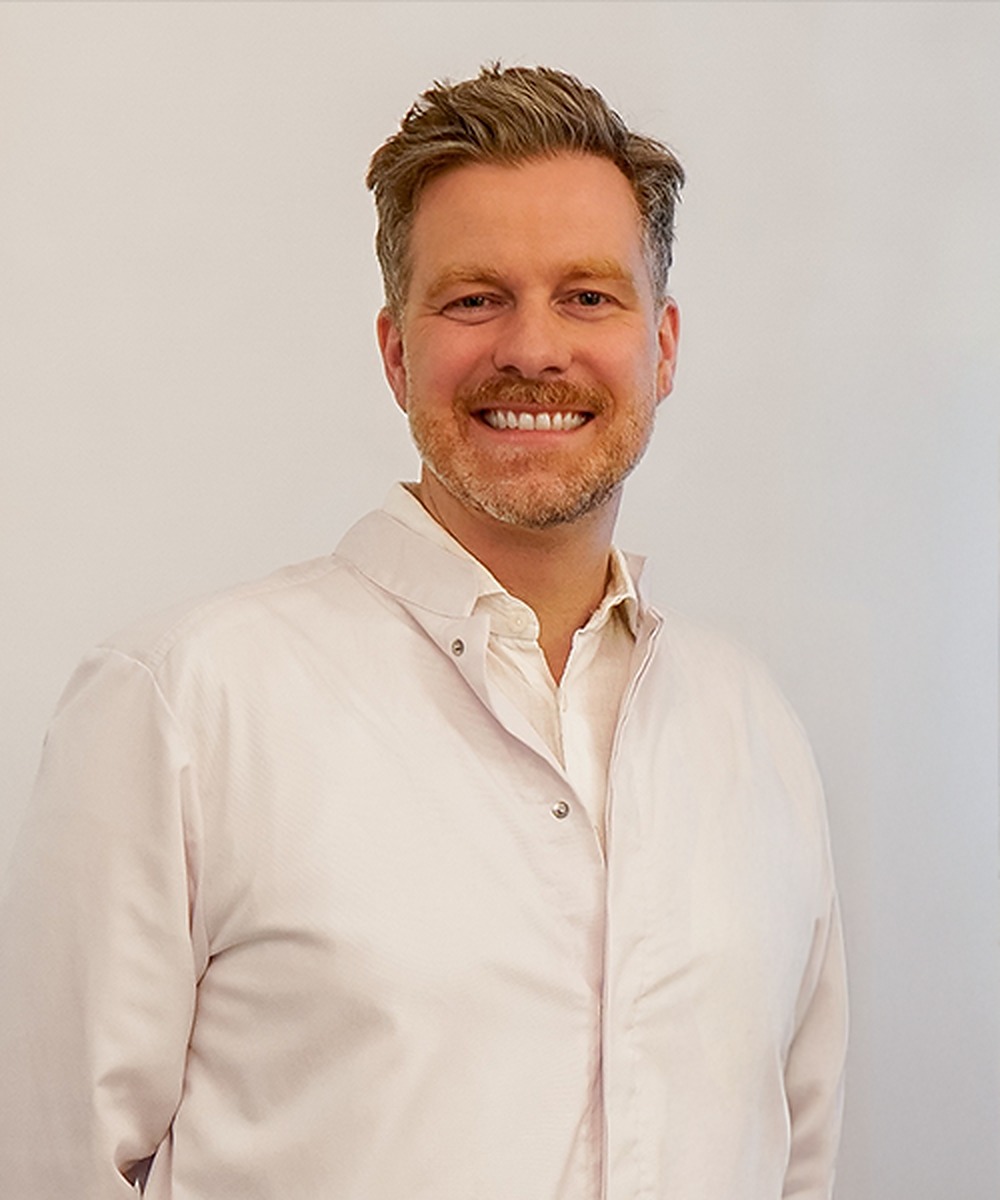
Portrait of Dr. Stephan Frantzen, board-certified plastic surgeon in Berlin

Dr. Stephan Frantzen

Board-certified plastic surgeon and
board-certified general surgeon

  • Head of department for plastic surgery, Helios Klinikum Berlin-Buch, 2015–2018
  • Speaker on the “Full Face Approach” at the VDÄPC annual meeting
  • Minimally invasive contouring with radiofrequency-assisted technique
Portrait of Dr. Juliane C. Finke, board-certified plastic surgeon in Berlin

Dr. Juliane C. Finke

Board-certified plastic surgeon (plastic &
aesthetic surgery), Fellow of EBOPRAS

  • Fellow of EBOPRAS – European board examination, 2010
  • Facial treatments with an emphasis on natural, unforced results
  • Consultations in English and Spanish
Verifiable qualifications

Professional societies and awards

jameda award: patients rated Dr. Frantzen 1.0, highest recommendation for breast augmentation – open Dr. Frantzen's jameda profile jameda seal TOP 10 (01/2022): Dr. med. Juliane C. Finke, physicians for plastic & aesthetic operations in Berlin – open Dr. Finke's jameda profile

Dr. Juliane C. Finke and Dr. Stephan Frantzen are full members of the German Society of Plastic, Reconstructive and Aesthetic Surgeons (DGPRÄC) and the German Society of Senology (DGS). Dr. Finke is also a Fellow of EBOPRAS and passed the European board examination in 2010; Dr. Frantzen operates on a voluntary basis for INTERPLAST in South America. The jameda seals lead to the independent physician profiles with patient reviews of Dr. Finke and Dr. Frantzen.

Frequently asked questions

Frequently asked questions about FaceTite

Medically reviewed by Dr. Juliane C. Finke and Dr. Stephan Frantzen

01

Is FaceTite the same as BodyTite?

The same technology, adapted for the face — finer probes, lower energy, smaller areas. BodyTite treats the abdomen, flanks, thighs and arms; FaceTite treats the chin, jawline and lower face.

02

Will it get rid of my double chin?

The fat, yes — that is the part it does best. Whether the skin then sits smoothly depends on its elasticity. Where the skin is still reasonable, the result is very good; where it has already given way, the fat goes but some looseness remains.

03

Does it hurt?

Not during the procedure: the area is numbed thoroughly with tumescent solution; if you prefer, the treatment can be done under sedation or general anaesthetic. Afterwards it feels tight and tender for a few days, and ordinary painkillers are enough.

04

When can I go back to work?

Most people take three to seven days. There is swelling under the chin in the first week that is noticeable, so allow more time if you meet people professionally.

05

Are there visible scars?

The access points are a few millimetres and sit under the chin and behind the earlobes. Once healed they are very difficult to find.

06

Why does the area feel hard afterwards?

Because the tissue has been heated and is remodelling. Firmness and slight unevenness for several weeks are expected and settle. Lymphatic drainage massage speeds it up.

07

How long does the result last?

Removed fat cells are not regenerated, but remaining cells can enlarge. Tightening varies between patients and continued ageing affects the result; a fixed duration cannot be promised.

08

Can it be combined with other treatments?

Yes. It is frequently combined with a neck lift, and with injectable treatment of the upper face at a later appointment. What we do not do is combine it with a facelift — if the facelift is indicated, it does the job on its own.

09

Am I too young or too old?

Neither matters as much as skin quality. The typical patient is between 40 and 60, but the assessment is done by pinching the skin, not by reading your date of birth.

Your next step

Let’s look at your jawline

Book a personal consultation. We assess fat and skin quality separately and tell you which of the two is actually causing the problem.

Related treatments: Thread lift · Facelift · Fat-dissolving injections · Facial treatments

Medically reviewed by Dr. Juliane C. Finke, board-certified plastic surgeon (plastic and aesthetic surgery), and Dr. Stephan Frantzen, board-certified plastic surgeon and board-certified general surgeon.
Last medically reviewed:
The content of this page is for general information and does not replace medical advice. A binding assessment is only possible after a personal examination.

Independent information: The German Society of Plastic, Reconstructive and Aesthetic Surgeons provides patient information on choosing a specialist, consent, limitations and possible complications. The German Medical Association explains the GOÄ fee schedule. These German-language sources supplement, but do not replace, an individual medical examination.

Call us Book an appointment