

Dr. Juliane C. Finke
Board-certified plastic surgeon (plastic &
aesthetic surgery), Fellow of EBOPRAS
- Fellow of EBOPRAS – European board examination, 2010
- Body contouring after weight loss and after pregnancy
- Consultations in English and Spanish
Some fat deposits stay put whatever you do — on the hips, the outer thighs, the lower abdomen. They are laid down by your genes, not by your diet. Liposuction removes them permanently; what it is not is a way to lose weight.
Please note: A medical consultation is a chargeable service under the German physicians’ fee schedule (GOÄ). Online bookings are binding; the practice team will explain the expected consultation fee when arranging your appointment.
Medically reviewed by Dr. med. Juliane C. Finke and Dr. med. Stephan Frantzen · Board-certified plastic surgeons · Last reviewed:

Liposuction is the surgical removal of subcutaneous fat through fine cannulas inserted via very small skin incisions. The fat cells that are removed do not grow back — but the ones left behind can still get bigger if you gain weight.
The number of fat cells you have is largely fixed by early adulthood. Where they sit is decided by genetics and hormones, which is why an otherwise slim woman can have persistent fullness on the outer thighs, and why sit-ups do not flatten a lower abdomen.
Liposuction changes the distribution, not the total. It is a contouring operation, and it works best on people who are close to their normal weight and whose skin still has decent elasticity.
In women, the classic areas are the ones that resist diet most stubbornly:
Several areas can be treated in one session. What is sensible in one go depends on the total volume, not on how many areas are on the list.
Before anything is removed, the area is infiltrated with a large volume of dilute solution containing local anaesthetic and a vessel-constricting agent. The fat swells, separates and becomes easier to remove — and the small blood vessels close down before the cannula reaches them.
The practical consequences: markedly less blood loss than older techniques, less bruising, and in most cases no need for a general anaesthetic. Larger volumes are still more comfortable asleep, and we will say so.
The areas are marked while you stand — lying down redistributes everything, so marking on the table would defeat the purpose.
From the initial finding through the marked treatment areas to the final contour.
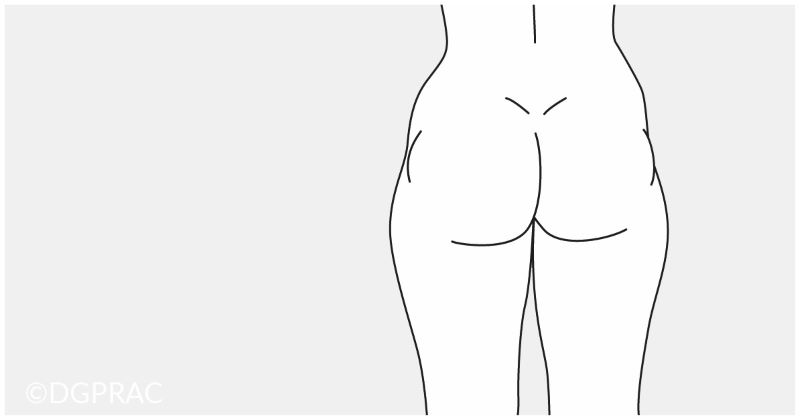
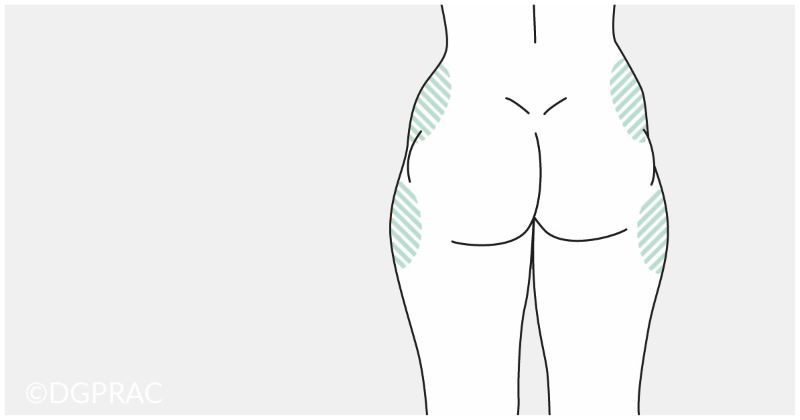
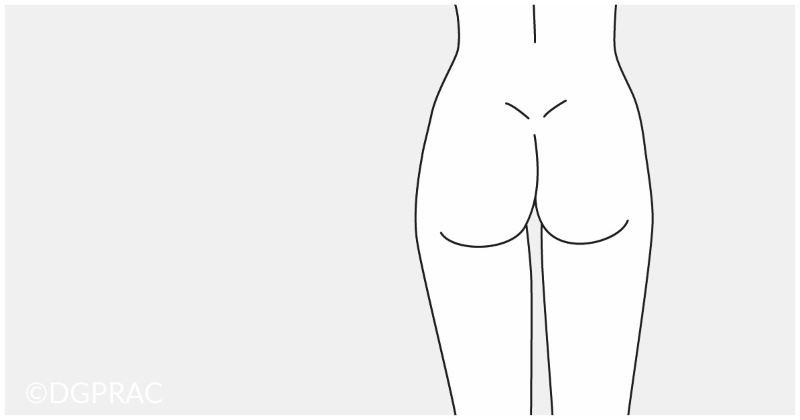
From planning to compression garments – every step has its reason.
In an individual, personal consultation we take plenty of time for a treatment plan tailored to you. We show you all the options for treatment – but also the limits, so that no false expectations arise.
Already during the consultation we decide whether the procedure will be performed under local or general anaesthetic. With both methods you can usually leave the clinic on the day of surgery.
Before the operation, your surgeon marks the areas to be treated together with you, so that a harmonious silhouette is restored.
Through very small incisions, the tumescent solution is introduced; it numbs the surgical area and makes the suction possible.
The fat cells are removed with a fine cannula from the tissue beneath the skin and above the muscle.
Immediately after the procedure, your compression garment is put on so that no major swelling can develop.
Three things it cannot do, and it is better to know them now than afterwards:
A separate note on lipoedema: this is a disease, not a cosmetic finding — painful, symmetrical fat distribution on legs or arms that does not respond to diet. It needs a proper diagnosis first, and treatment follows different rules. If your description fits, we will say so.
You go home the same day in most cases. The tumescent fluid drains from the small incisions for the first day or two — that is expected, and it is why you go home with absorbent dressings rather than a warning.
The compression garment goes on immediately and stays on day and night for four to six weeks. It is the least popular and most important part of the aftercare: it decides how smoothly the skin settles back down.
Bruising and swelling peak around day three and fade over two to three weeks. The final contour takes three to six months to show, because swelling in the deeper tissue resolves slowly. Lymphatic drainage massage speeds that up and we will usually recommend it.
Possible complications include bleeding, infection, seroma, prolonged swelling, altered sensation, contour irregularity, asymmetry, loose skin, conspicuous scars and revision surgery. Rare serious complications include fluid or local-anaesthetic toxicity, thrombosis, pulmonary or fat embolism and injury to deeper structures or organs. Risk depends strongly on treated volume, area, anaesthetic and medical history.
| How long | 60–90 minutes in theatre, depending on the size of the area |
|---|---|
| Anaesthetic | Local anaesthetic in most cases; general anaesthetic for larger volumes |
| Stay | Usually day surgery – one night only for very large volumes |
| Back to work | 2–6 days, depending on the size of the area |
| Compression | 4–6 weeks day and night, and no sport in that time |
| Final result | Visible from about three months, settled at six |
| Where | In most cases day surgery at our practice in Berlin-Prenzlauer Berg. Where the procedure is more extensive, as an inpatient at the MEOCLINIC, Friedrichstraße 71 — the private hospital in Quartier 206 |
| Paid by | Private fee or private insurance benefit |
What does liposuction cost? There is no flat rate. Time in theatre, technique, anaesthetic and the extent of the procedure differ from person to person. You get a binding quote at the end of your consultation — in writing, with nothing hidden. And the consultation itself? Medical advice is a treatment in its own right and is invoiced under the German scale of medical fees (GOÄ) — including when you decide against a procedure afterwards. We tell you what to expect when the appointment is made.
Will insurance pay? As a rule, no: purely aesthetic procedures are paid privately. German statutory insurers only contribute where a medical indication is recognised; private insurers and international policies decide case by case. We will tell you honestly whether you have any prospect of cover.
These points apply generally. What applies in your case – with existing conditions or regular medication – we go through at your pre-operative consultation. That conversation is what counts.
Volume and skin are two different problems, and they need different answers. We look first at whether something smaller would do the job – and we will say so if none of these procedures fits your finding.
Board-certified plastic surgeon (plastic &
aesthetic surgery), Fellow of EBOPRAS
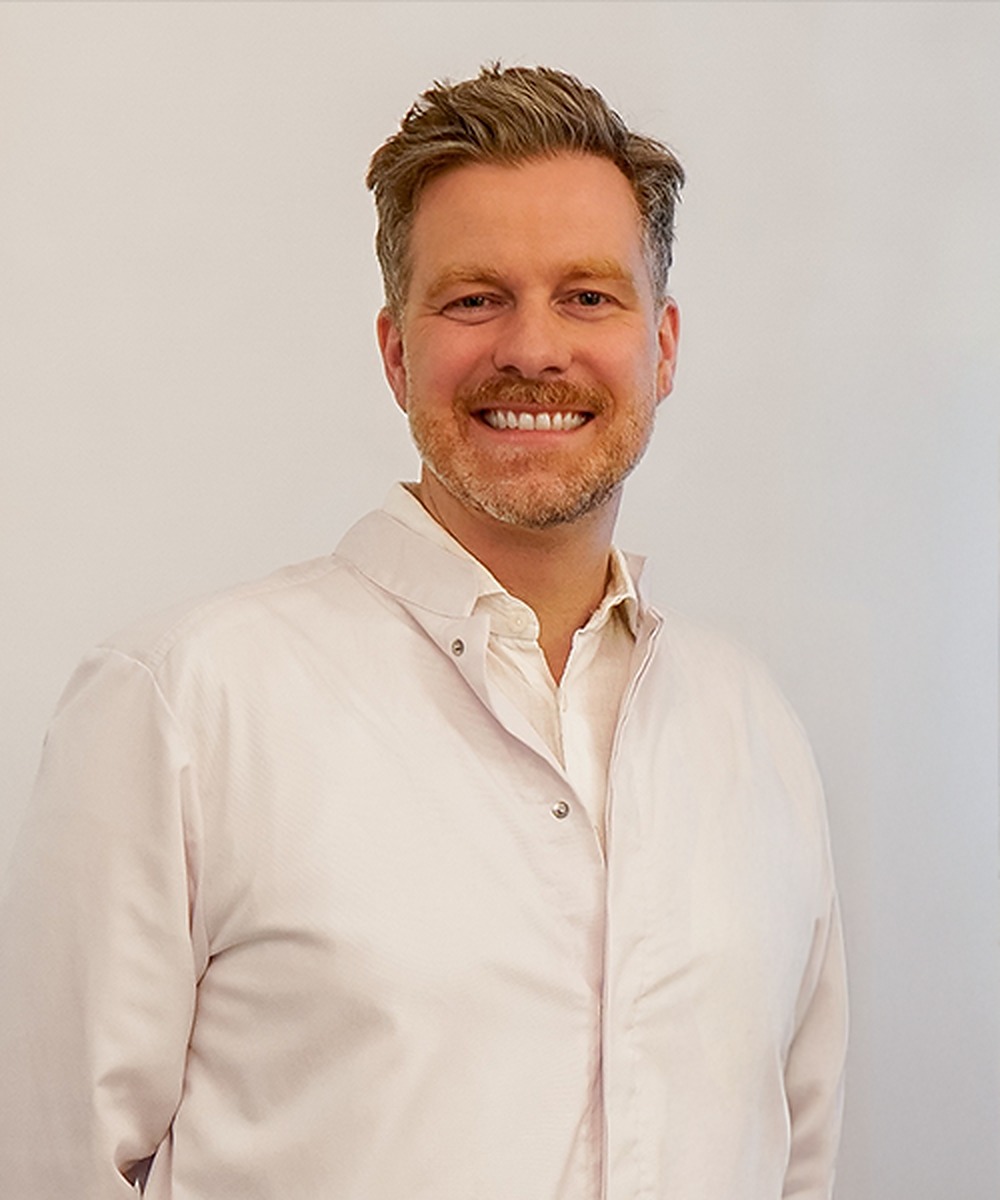
Board-certified plastic surgeon and
board-certified general surgeon
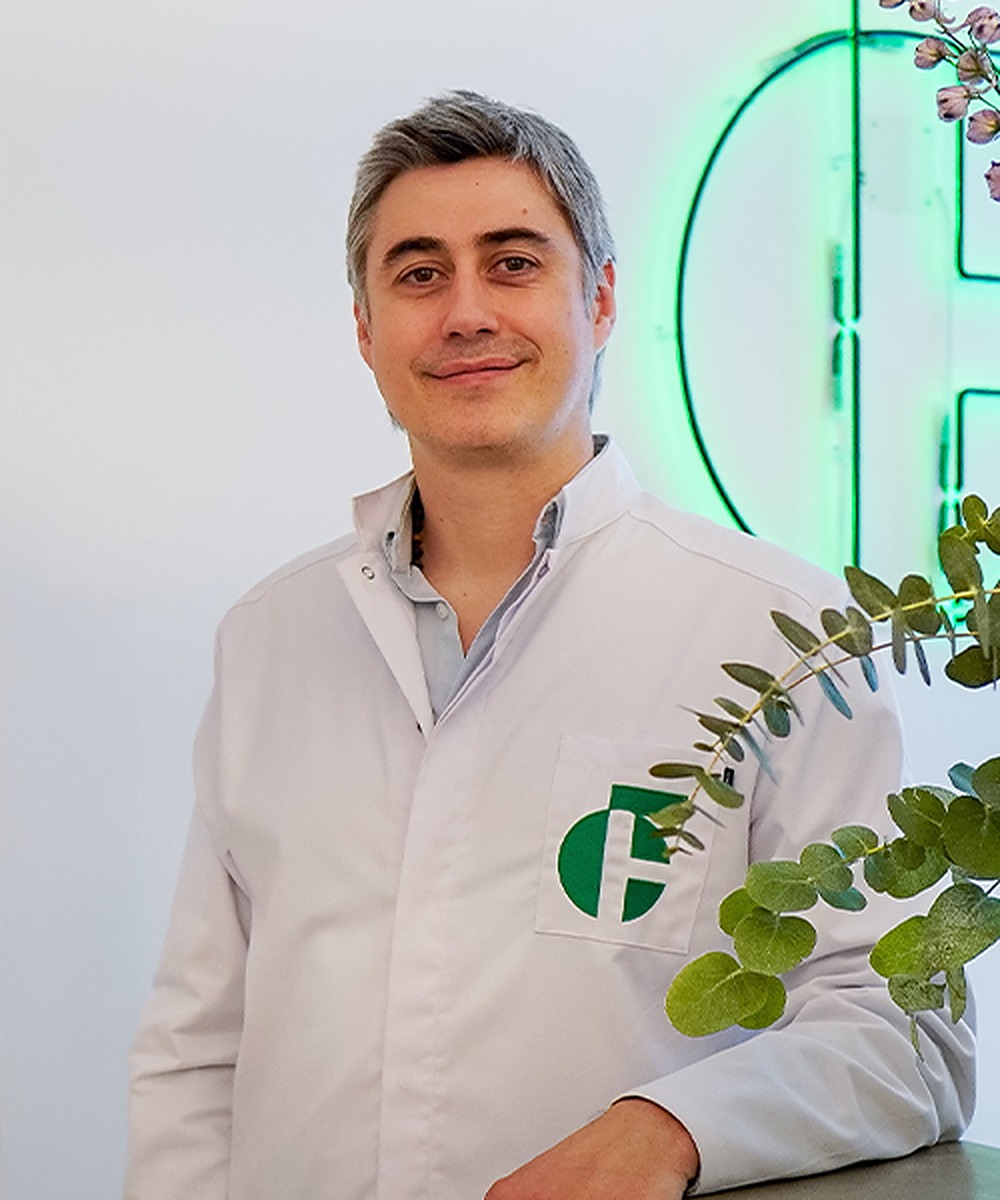
Board-certified plastic surgeon (plastic &
aesthetic surgery)
* employed physician




Dr. Juliane C. Finke and Dr. Stephan Frantzen are full members of the German Society of Plastic, Reconstructive and Aesthetic Surgeons (DGPRÄC) and the German Society of Senology (DGS). Dr. Finke is also a Fellow of EBOPRAS and passed the European board examination in 2010; Dr. Frantzen operates on a voluntary basis for INTERPLAST in South America. The jameda seals lead to the independent physician profiles with patient reviews of Dr. Finke and Dr. Frantzen.
Medically reviewed by Dr. Juliane C. Finke and Dr. Stephan Frantzen
The limit is set by safety, not by wishes. Removing very large volumes in one sitting increases the risk of fluid shifts, so larger cases are split into two sessions. What is sensible in your case depends on your build and on how many areas are involved — we will give you a figure at the consultation, not before.
No. The removed cells are gone for good and the body does not relocate them. What can happen is that if you gain weight, the fat cells that remain — everywhere, including the treated area — get bigger. Stable weight is what keeps the result.
During the procedure, no: the tumescent solution contains local anaesthetic. Afterwards it feels like heavy muscle soreness for three to five days, and ordinary painkillers are enough for almost everyone.
You will see a difference immediately, but you will also be swollen. Roughly 70 per cent of the result is visible at six weeks and the contour is settled at three to six months.
Yes, and day and night for the first four. It is what makes the skin re-drape smoothly. Patients who abandon it early are the ones who come back unhappy about irregularities.
Not reliably. Cellulite comes from the way the connective tissue strands attach to the skin, not from the volume of fat underneath. Removing volume sometimes improves the appearance slightly, sometimes not at all — we will not promise you it will.
Yes, and it is common — hips and outer thighs together, for example. The limiting factor is total volume, not the number of areas.
Lipoedema is a disease with its own diagnostic criteria and its own treatment pathway. It needs to be diagnosed properly first. If what you describe fits the pattern, we will tell you and point you in the right direction rather than book you in.
Short flights after about a week; long-haul after two to three weeks, mainly because of thrombosis risk while sitting still. Keep the compression garment on for the flight.
Book a personal consultation. We examine, we pinch, and we tell you honestly which areas will respond — and which will not.
Related treatments: BodyTite · Tummy tuck · Fat-dissolving injections · Skin tightening · For women
Medically reviewed by Dr. Juliane C. Finke, board-certified plastic surgeon (plastic and aesthetic surgery), and Dr. Stephan Frantzen, board-certified plastic surgeon and board-certified general surgeon.
Last medically reviewed:
The content of this page is for general information and does not replace medical advice. A binding assessment is only possible after a personal examination.
Independent information: The German Society of Plastic, Reconstructive and Aesthetic Surgeons provides patient information on choosing a specialist, consent, limitations and possible complications. The German Medical Association explains the GOÄ fee schedule. These German-language sources supplement, but do not replace, an individual medical examination.