
Finke & Frantzen · Berlin
Skin rejuvenationConsultation in Berlin-Prenzlauer Berg
Skin changes, and different changes call for different approaches. If you would like a fresher, more even-looking complexion, Finke & Frantzen in Berlin-Prenzlauer Berg offers an individual discussion of the options. Your findings, wishes and realistic expectations guide the conversation.
Medical consultations are subject to a fee. Treatment costs are discussed individually during your consultation.


ConsultationPersonal and open-ended
IndividualPlanning based on assessment
TransparentOptions and risks
BerlinPractice in Prenzlauer Berg
Which change would you like to achieve?
More even-looking skin, fewer expression lines and a different facial contour are different goals. This overview helps you clarify your concern and find relevant detail pages. A general rejuvenation promise cannot replace an individual plan.
Understand your skin before choosing a method

Fine lines, dryness, volume loss and less defined contours are different concerns. Skin rejuvenation often groups them together, but is not one specific treatment. Skin booster is not a single precise medical procedure either: the material and how it is used matter.
During consultation, we establish what you would like to change. We discuss previous procedures, skin care, medical conditions and medicines. Unusual or newly changing skin lesions need medical assessment before cosmetic treatment is considered.
Three different approaches to skin treatment
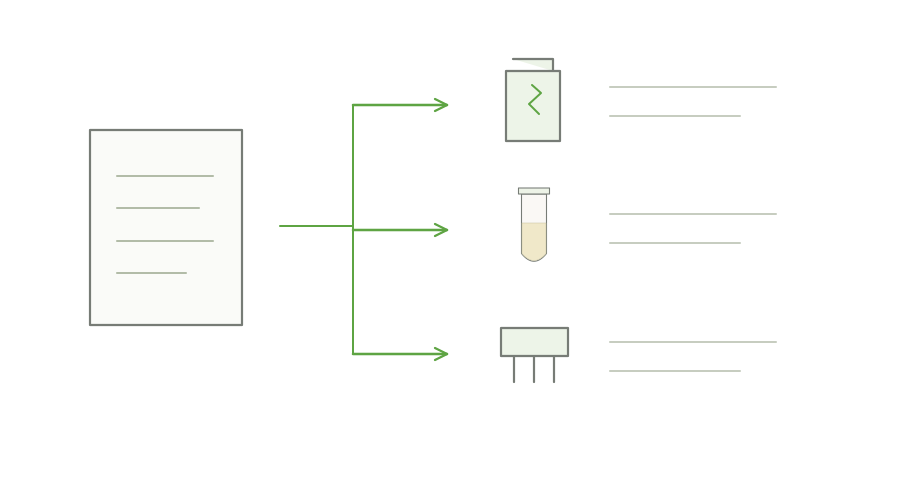
- Polynucleotides
- PRP from your own blood
- Radiofrequency microneedling
From planning to follow-up
Clarify the concern
The specific skin change that bothers you is discussed.
Weigh the options
Approaches, alternatives and limitations are compared according to the findings.
Plan follow-up
Preparation, aftercare and an appropriate review are agreed.
Separate skin quality, movement and contour
Start with what you notice: does your skin feel tight or dry? Are fine lines visible at rest or mainly when smiling? Does an area look hollow, or is there excess skin? This distinction is more useful than searching for the strongest rejuvenation method.
Several concerns may coexist, but they need not all be treated in one appointment. Choose a priority and discuss what the proposed procedure is unlikely to change. Separate information on volume and movement-related lines is linked below.
From your concern to the right question
| What you notice | What needs clarification |
|---|---|
| Dryness or fine surface lines | Assess care, skin condition and possible skin-quality approaches. |
| Lines mainly with expression | Assess movement-related lines separately from skin texture. |
| Cheek volume loss | Assess volume and contour; not every skin procedure adds volume. |
| Pronounced excess skin | Discuss limits of non-surgical approaches and possible surgical alternatives. |
| New or changing skin lesion | Medical assessment before aesthetic treatment. |
Polynucleotides: a newer approach
Polynucleotides are used and studied with the aim of improving skin quality. They involve processed DNA components; terms such as salmon DNA are not a precise product description. The composition needs to be checked for the particular product.
Early research is of interest but cannot establish a general promise of collagen production, tightening or rejuvenation. It is not simply a substitute for a filler intended to restore volume.
Skin boosters and collagen stimulation: ask about the actual method
Terms such as skin booster and rejuvenation cover different approaches. Ask about the actual material, area and intended goal. Improving surface skin quality is not the same as targeted volume restoration.
‘Collagen stimulation’ initially describes a proposed mechanism, not a particular visible change or fixed duration. What matters is which outcomes have been studied for the specific procedure and area, rather than whether the terminology sounds scientific.
PRP: using your own blood plasma
PRP involves preparing platelet-rich plasma from a blood sample. It is also described as an autologous blood treatment or vampire facial. The name does not mean that tissue is lifted as it would be in surgery.
Evidence for cosmetic skin treatment remains limited. Using your own blood components does not automatically make the procedure risk-free. Suitability must be considered alongside other options and their risks, in relation to what you hope to achieve.
Radiofrequency microneedling: needles and heat
This method adds radiofrequency energy to needle contact with the aim of changing skin texture. It differs from mechanical microneedling alone and from injectable treatments. It cannot reliably treat substantial skin laxity in the same way as surgery.
Selection requires assessment of both the device and your findings. Possible complications include burns, scarring, fat loss and nerve damage. Discussing the risks is therefore just as important as considering the potential benefit.
Radiofrequency microneedling: procedure, limitations and risks
Skin care and sun protection remain part of the plan
A procedure does not replace skin care your skin tolerates well or UV protection. Sunscreen, protective clothing and shade help limit further sun-related ageing. Suitable moisturising care can support dry skin but does not lift pronounced excess skin.
In practical terms, choose broad-spectrum UVA/UVB sunscreen with SPF 30 or higher. Skin care immediately after a procedure is agreed separately; everyday advice does not replace those aftercare instructions. AAD: guidance on sun protection and skin care.
Discuss your routine and known sensitivities. Irritated skin or a new concerning lesion needs medical assessment first. Do not independently experiment with new active ingredients or intensive peels around a procedure; aftercare depends on the actual method.
A plan that suits you
Combining treatments is not automatically better than choosing one. Together, we establish your priority, the alternatives and how any result could be reviewed. Deciding against treatment can also be an appropriate choice.
You receive procedure-specific information about preparation, aftercare and possible visible reactions. Do not stop medicines on your own. Costs and the fee for medical consultation are explained individually; we do not promise a particular result or duration.
Assess results fairly before adding treatment
Agree beforehand which change can realistically be assessed and when review is useful. Lighting, expression, make-up and camera angle affect appearances. Comparable photographs may support documentation but cannot replace examination.
Early swelling is not necessarily the final result. A short-lived fresh appearance does not prove lasting collagen formation either. Before adding procedures, review benefit, tolerability and remaining wishes together.

Further information
These pages explain other procedures and related concerns. They are not automatically alternative treatments for the same condition.
Finke & Frantzen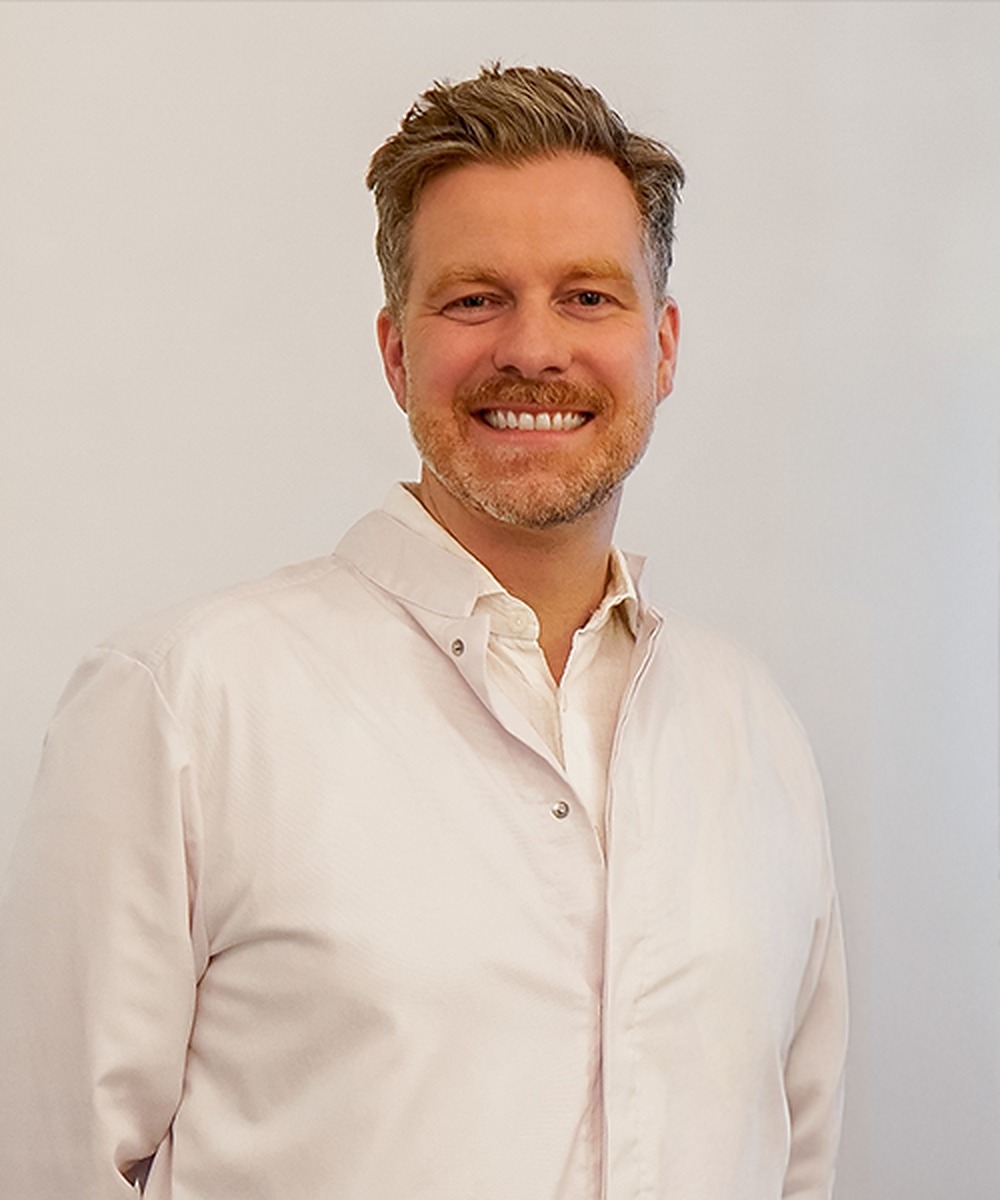
Your contacts in Berlin
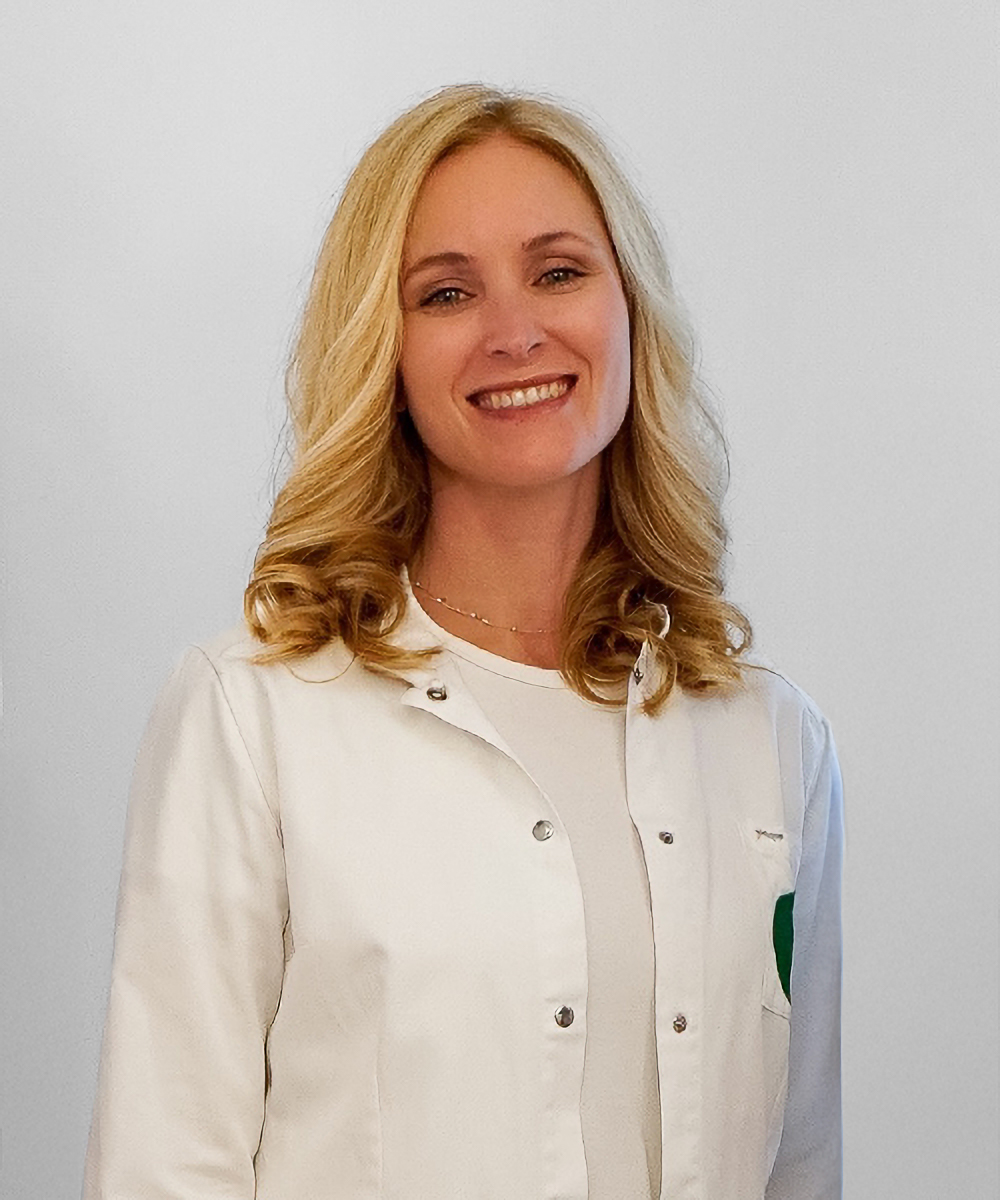
Dr. med. Juliane C. Finke and Dr. med. Stephan Frantzen lead the Finke & Frantzen practice in Berlin. Read about their professional backgrounds here. Responsibility for your particular treatment is clarified when arranging your care.
Dr. med. Stephan Frantzen
View profileFrequently asked questions
Which method is best?
That depends on your particular concern and the examination. A skin-texture treatment is not automatically suitable for volume loss or substantial excess skin.
Does collagen stimulation mean a visibly younger face?
No. A proposed biological mechanism alone does not establish a visible or lasting benefit for your skin.
Are these treatments also suitable for men?
Selection depends on individual skin findings and safety requirements, rather than gender alone.
Can I combine several methods?
The value of a combination needs individual assessment. More procedures do not automatically produce a better result and may introduce additional risks.
Is skin booster one specific product?
The term alone does not identify the material or procedure. Ask what would actually be used and for which goal.
Does rejuvenation require extra volume?
No. Skin quality and volume are separate concerns. Your findings and wishes determine which matters.
Can skin care replace a procedure?
Adjusted care may sometimes be enough for the actual concern. It cannot, for example, remove pronounced excess skin. Discuss these limits.
How many sessions will I need?
There is no shared number for every method. Effort, reviews and possible repeats can be discussed meaningfully once a procedure is selected.
Are newer methods always better?
No. Popularity and novelty say little about individual benefit. Evidence quality, risks and alternatives matter too.
Let us discuss your concerns
At Heinrich-Roller-Straße 15, 10405 Berlin, we discuss options, limitations and alternatives. Treatment decisions follow personal assessment and informed consent.
Medical consultations are subject to a fee. Treatment costs are discussed individually during your consultation.
Sources and context
Editorial review: 7 October 2026. AAD patient information, a limited primary PN trial and FDA safety communication considered. Individual studies are not generalised to all materials or areas. US regulation is not German authorisation. This information does not replace an individual medical consultation and examination.